
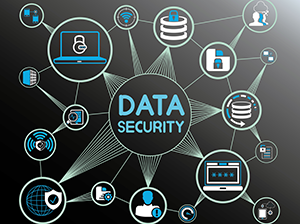
Data security is crucial in our digital age, protecting sensitive information from breaches, impacting privacy, economy, and national security, relying on technical defenses like encryption and firewalls, strategic policies, and employee training, all governed by principles like the CIA Triad (Confidentiality, Integrity, Availability) to build trust and ensure responsible data stewardship against evolving cyber threats.
Introduction
In an era defined by digital interconnectedness, data has become a valuable commodity, making robust data security not just a technical requirement but a fundamental necessity for individuals, businesses, and nations. As reliance on digital platforms grows, so does the sophistication of cyber threats, necessitating comprehensive strategies to protect information against theft, misuse, and loss, impacting personal privacy, economic stability, and critical infrastructure.
The Core Pillars: CIA Triad
At the heart of information security lies the CIA Triad:
- Confidentiality: Ensuring data is accessible only to authorized parties, preventing unauthorized disclosure.
- Integrity: Maintaining data’s accuracy and completeness, preventing unauthorized modification.
- Availability: Guaranteeing that authorized users can access data when needed.

Threats and Vulnerabilities
- Cyberattacks: Malicious actors constantly probe for weaknesses through phishing, malware, and ransomware.
- Insider Threats: Unintentional actions or malicious intent by employees pose significant risks, often stemming from inadequate training.
- Human Error: Simple mistakes, like weak passwords or clicking malicious links, can trigger major breaches.
- Regulatory Non-Compliance: Failure to meet data protection laws leads to severe financial and reputational damage.

Key Security Measures & Technologies
- Encryption: Scrambles data, rendering it unreadable without the correct key, protecting it even if accessed.
- Controls Access : Limiting access to sensitive data based on roles (least privilege).
- Firewalls & Antivirus: Basic defenses against external intrusions.
- Multi-Factor Authentication (MFA): Adds layers of verification beyond a password.
- Data Masking/Redaction: Hides sensitive data in non-production environments.
- Regular Backups: Crucial for recovery from ransomware or hardware failure, with offsite storage for disaster recovery.
Strategy and Culture
Effective data security requires a holistic approach, combining technology with policy and people. This includes robust employee training to build a security-aware culture, regular security audits, and comprehensive incident response plans.
Conclusion
Data security is an ongoing, multifaceted challenge, not a one-time fix. By implementing strong technical controls, fostering a culture of awareness, and adhering to regulatory frameworks, organizations can protect valuable data assets, maintain user trust, and ensure resilience in the face of ever-evolving digital threats, safeguarding both individual privacy and collective security.